

EN469 Approved Firefighting Training Suit Fire Resistance Fire Protection Fireman Suit
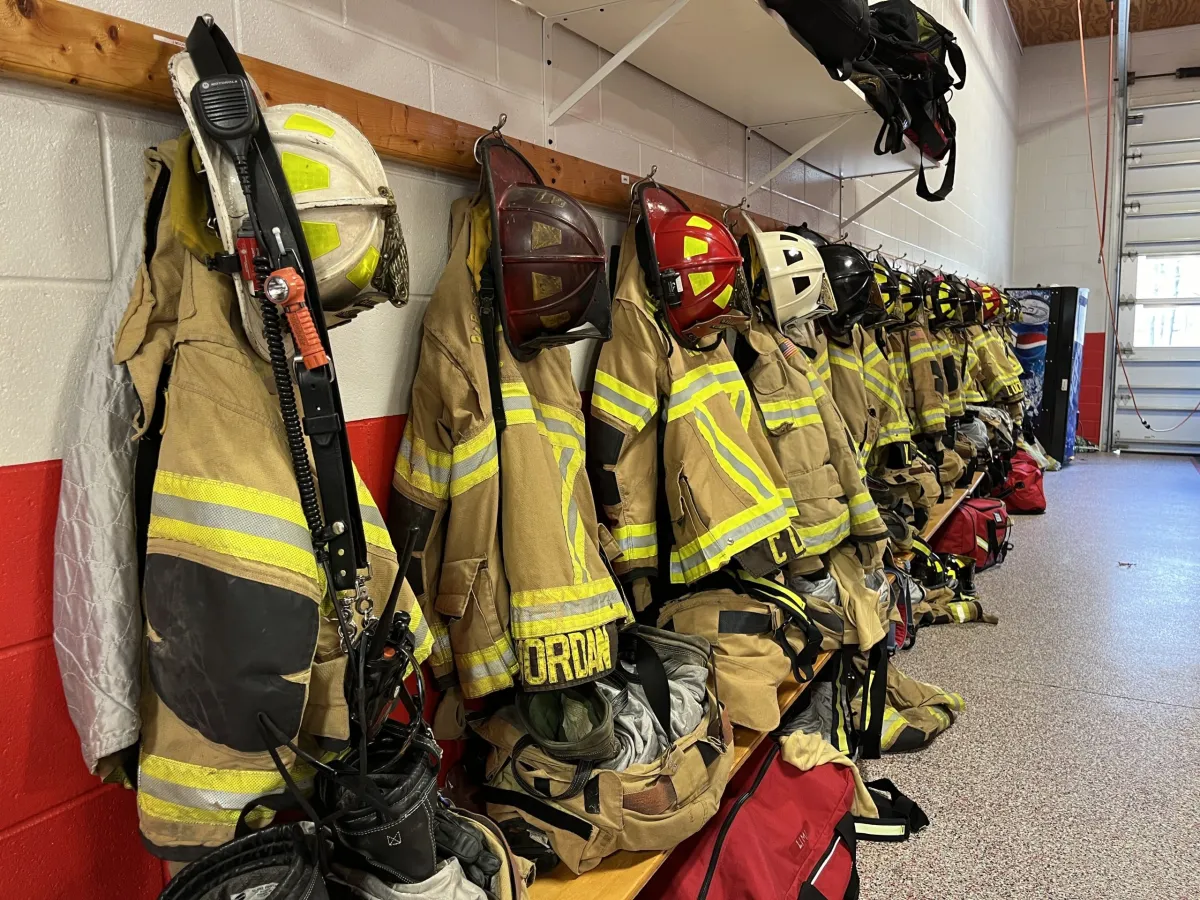
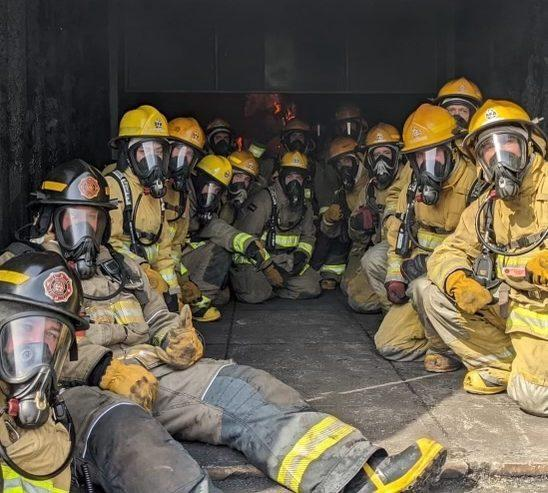
Fire suits have developed with the changes of the times. Since 2013, the uniforms of firefighters can be roughly divided into two types: one is a one-piece suit, and the other is a two-piece suit (top and pants). Fire suits are important tools used by firefighters to protect their bodies during firefighting activities.
Features:Fire resistant,heat insulation,waterproof and comfortable.
Usefulness:Fire fighter wears the suit for protecting himself when putting out fire.It is the basic workwear for the fire fighter.
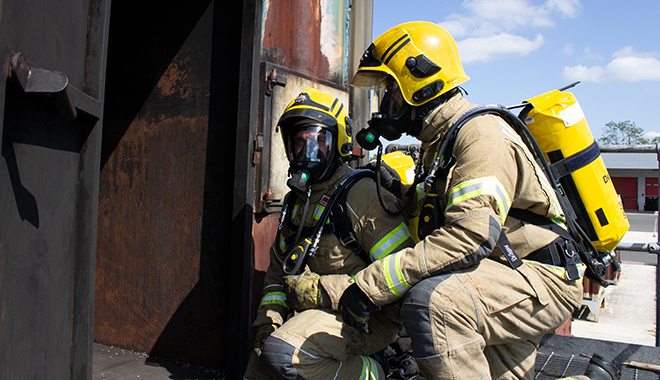
(1) Fire protection suits must not come into direct contact with flames and molten materials.
(2) Before using fire protection suits, you must carefully check whether the suits are damaged. If there are any damages, it is strictly forbidden to use them.
(3) When using, you must pay attention to the close fit of the hood and the mask, and the neck buckle and the large white buckle on the chest must be fastened to ensure that the neck and chest are airtight. The belt must be tightened to reduce the "bellows effect" during exercise.
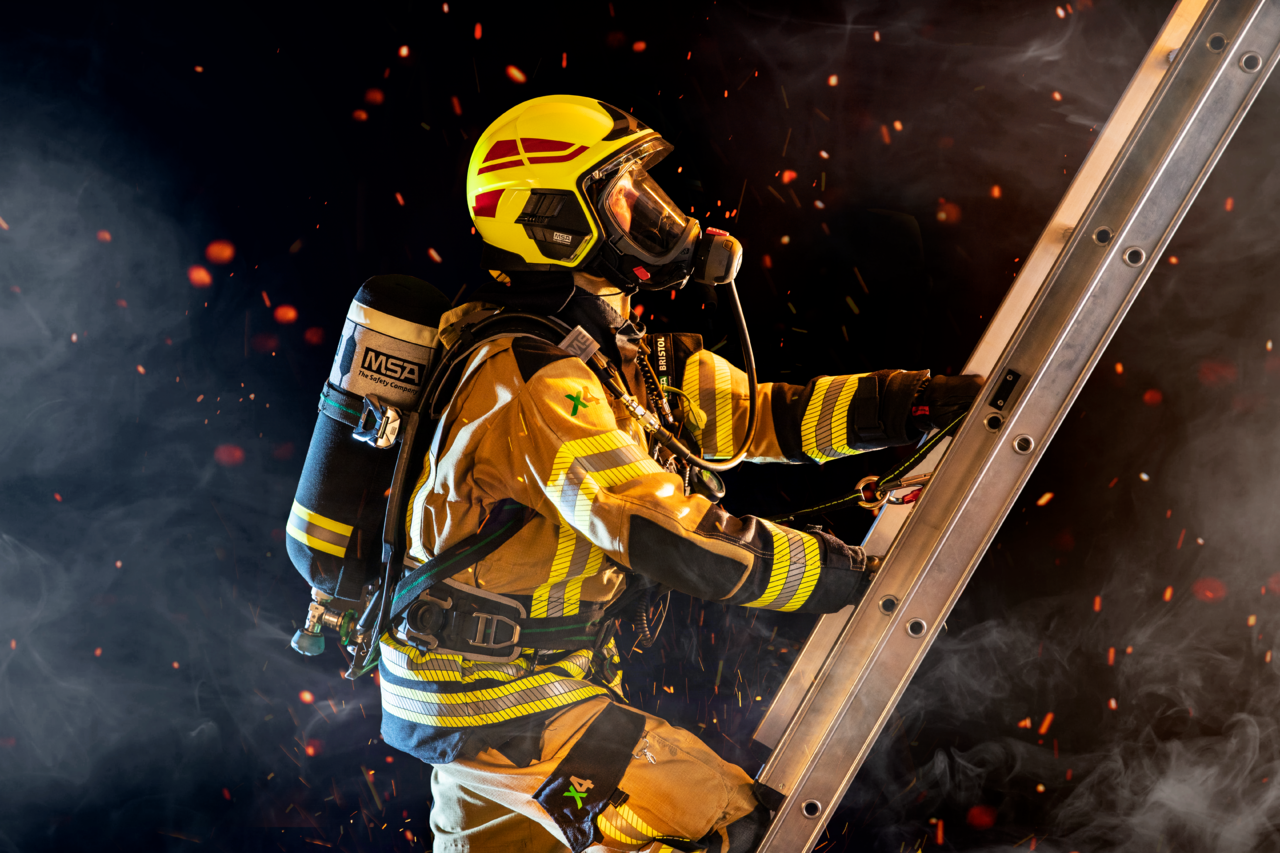
(4) After each use, wash with soapy water or 0.5-1% sodium carbonate aqueous solution according to the degree of dirtiness, then rinse with clean water, place in a cool and ventilated place, dry and package. (5) When folding the fire-fighting chemical protective clothing, lay the hood opening upward on the ground. Fold back the hood, neck buckle and sleeves, then fold the clothing vertically, overlap the left and right sides, with the two boot tips facing outward, put the gloves in the middle, roll the soles of the boots relative to each other, and put them horizontally into the chemical protective clothing packaging bag. (6) Fire-fighting chemical protective clothing must not be exposed to heat and sunlight during storage, and must not come into contact with active chemicals and various oils.
(1) First open the neck and chest of the suit, put your feet into the pants, pull the pants to the waist, then put your arms into the sleeves, and put the inner cuff ring on your thumb.
(2) After folding the chest cloth of the top, pull the chest cloth over to cover it tightly, and then lift the large white button on the front chest.
(3) After tightening the belt, lift the large white button.
(4) After putting on the fire mask, put the hood on your head and lift the large white button of the neck strap.
(5) Finally, put on the gloves and press the inner sleeves into the gloves.
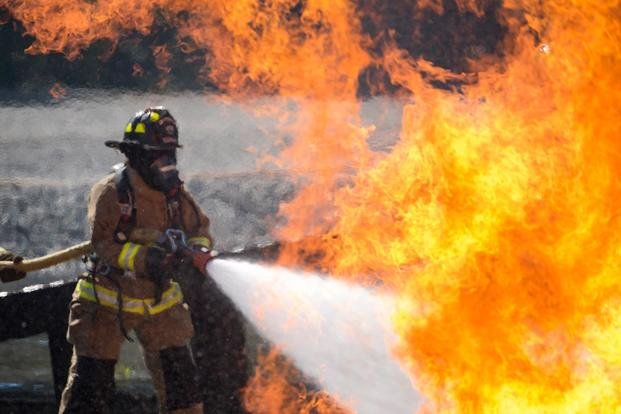
FR clothing can only provide protection if the wearer follows garment manufacturers' recommendations for proper use:
*Wear garments properly – collars closed, sleeves and cuffs down and secured, shirt tails tucked, closures secured, and other
manufacturer recommendations.
*Wear looser-fitting garments that provide adequate mobility.
*Do not wear non-FR clothing over FR garments. The outermost layer must be FR
*Wear only FR or non-melting undergarments (e.g. cotton, silk, wool.)
*Wash garments thoroughly after each wearing to remove contaminants.
*Do not put on or take off the garment in proximity of flammable gasses, vapors, dusts or in other potentially explosive
environments.
*In potentially explosive atmospheres, proper grounding procedures must be used.
*Wear garments with the appropriate arc rating as dictated by an electric arc hazard analysis. Consult employer if unsure.